Your Custom Text Here
Le fond des océans
2017 — Shortlisted proposal for Östermalmshallen, Stockholm, Sweden
Stockholm konst
© Elvire Soyez
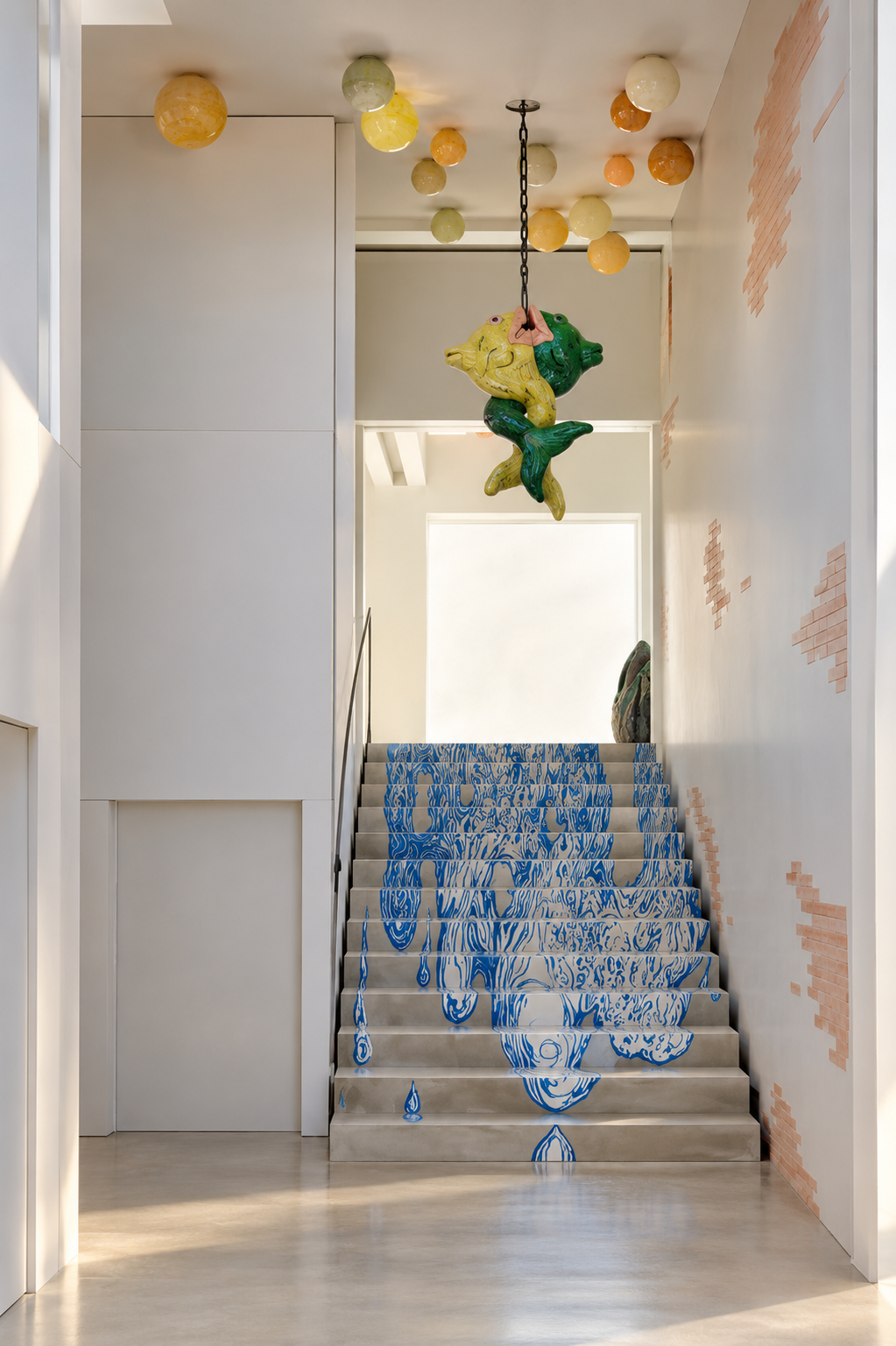
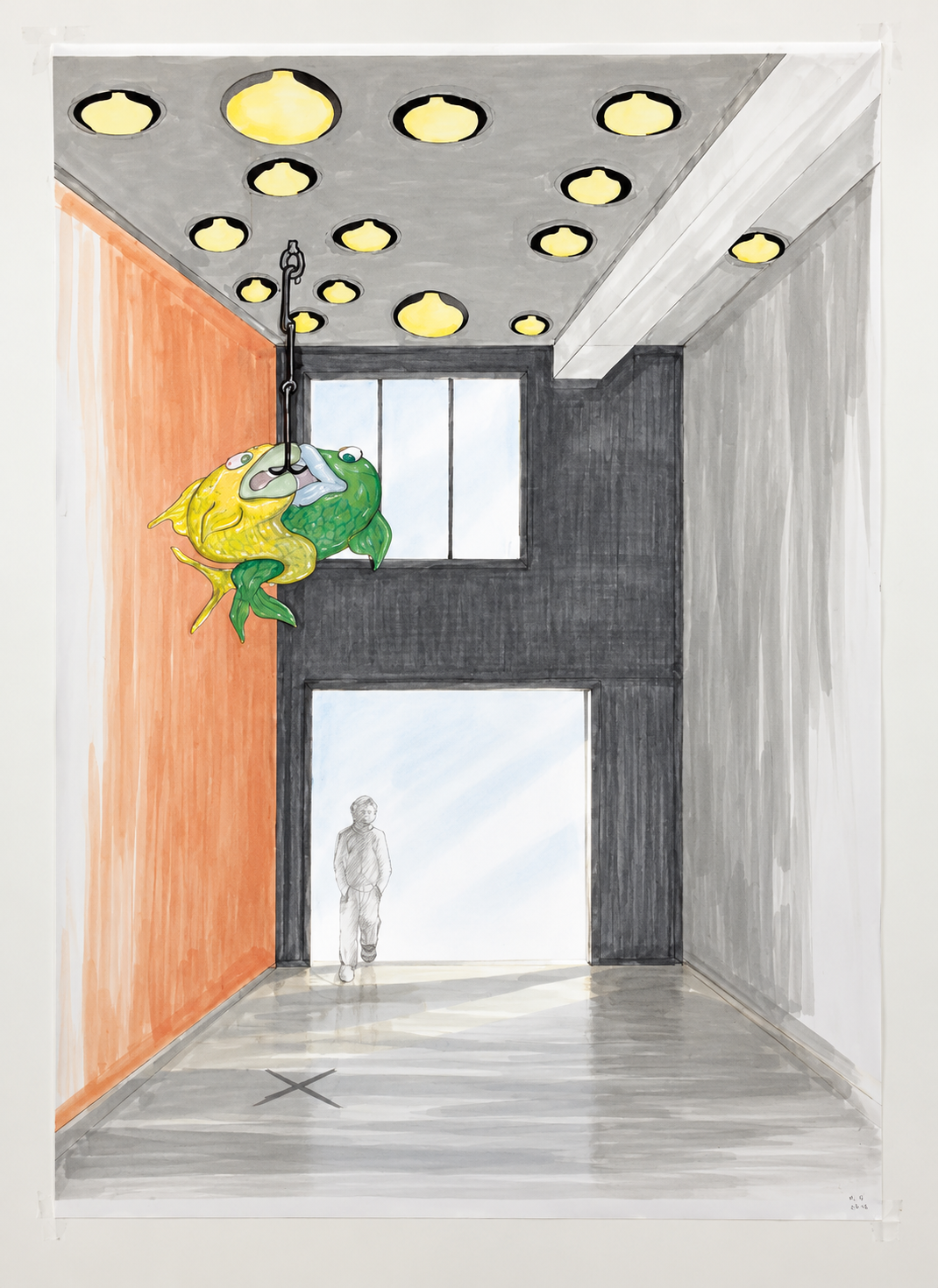
The passage connecting the market hall to the winter garden brings to mind the Italian Renaissance grotto, particularly the Grotta del Buontalenti in Florence. Commissioned by Francesco I de’ Medici, Grand Duke of Tuscany, it was created in the late sixteenth century by the architect, artist and stage designer Bernardo Buontalenti.
The Renaissance grotto was conceived as a place of leisure and contemplation, where sculpted human figures, flora and fauna, rocks, stalactites and shells seem to come to life. Often taking on anthropomorphic forms, these elements create a world in which harmony and order gradually emerge from apparent chaos. They also evoke the sensual pleasures of fresh, natural produce and a sense of wonder at the richness of nature.
With Le fond des océans, I wanted to offer visitors a similar experience to that of entering a grotto by the sea — a place of mystery, tranquillity and astonishment.
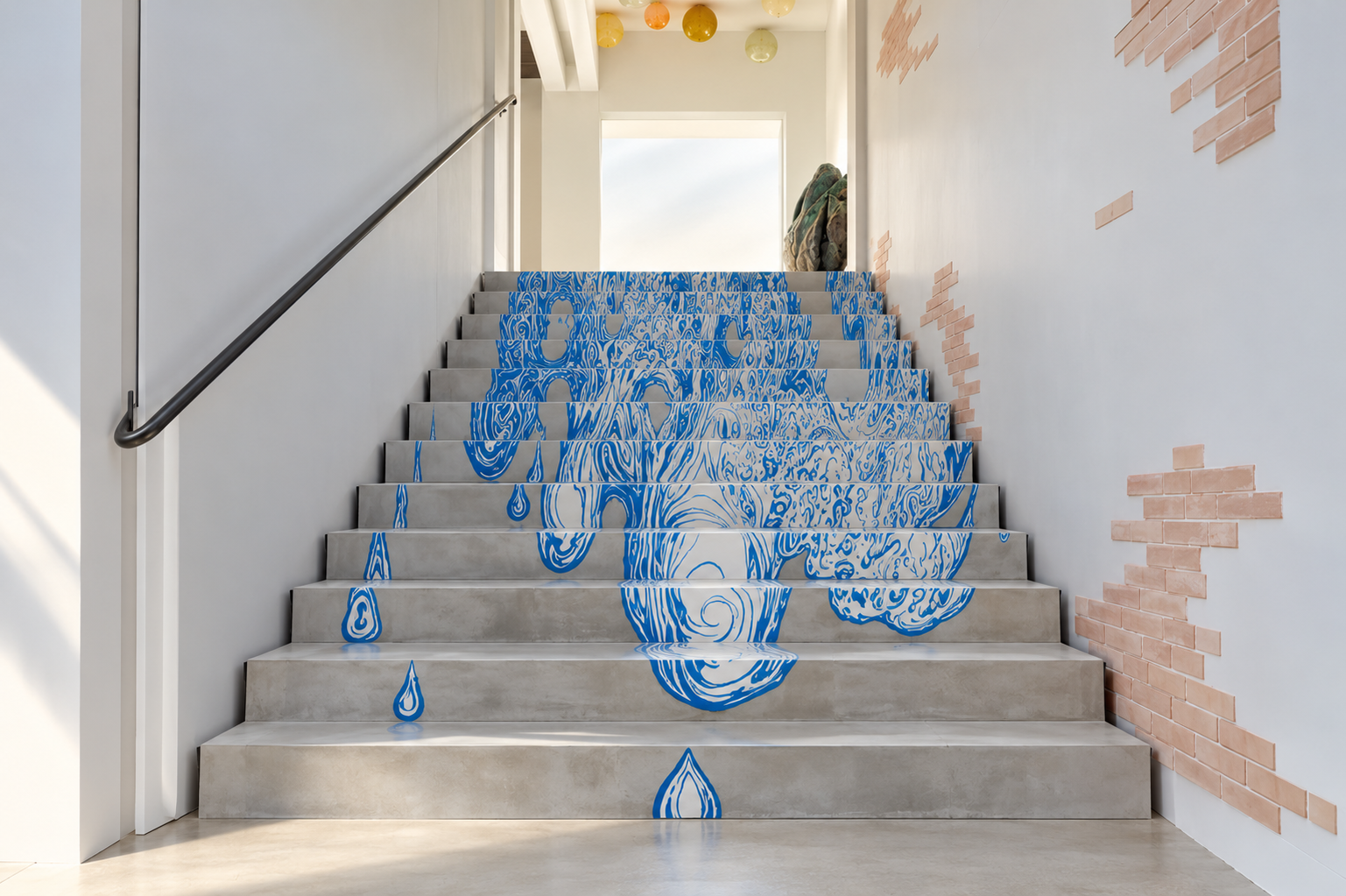
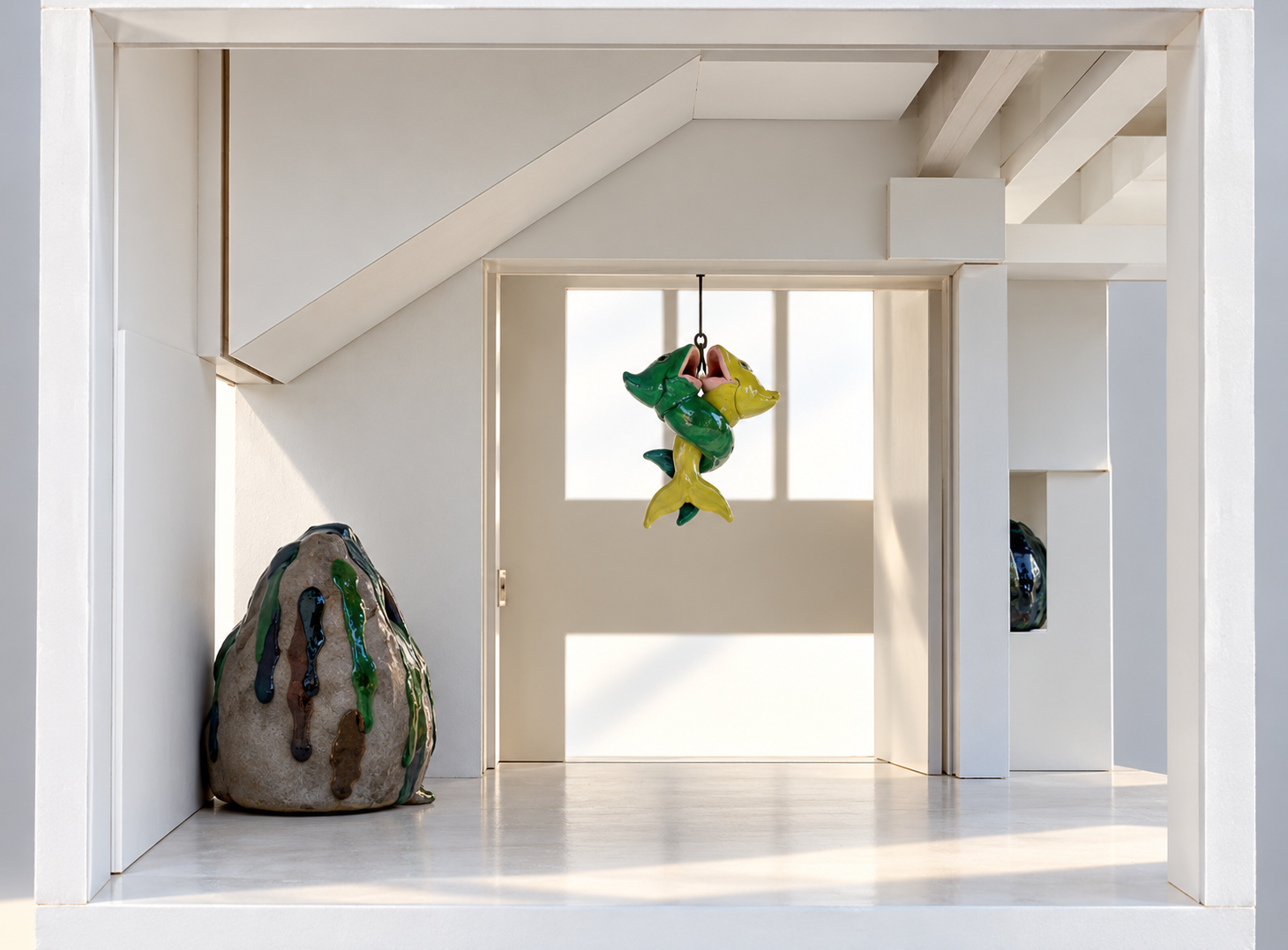
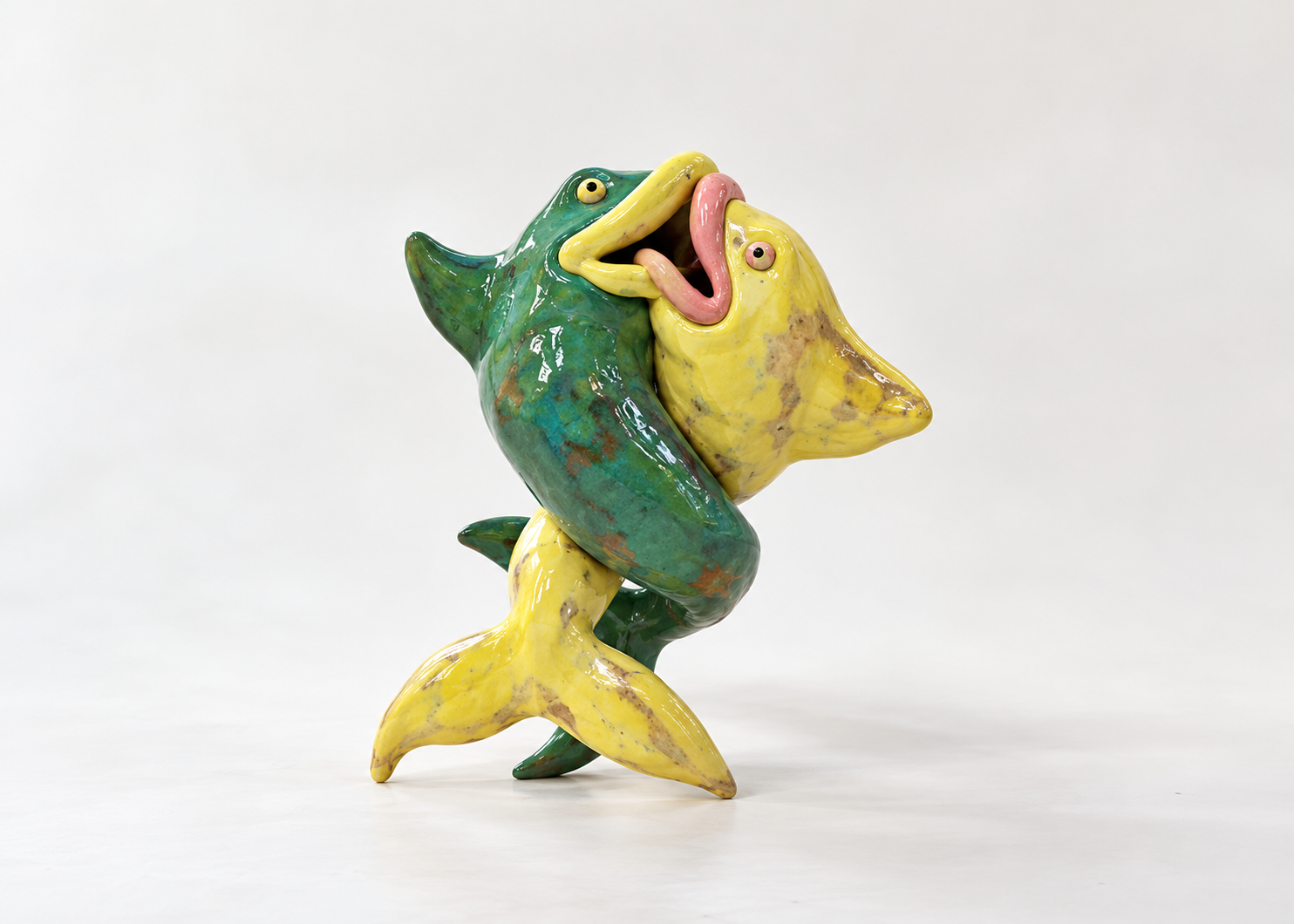
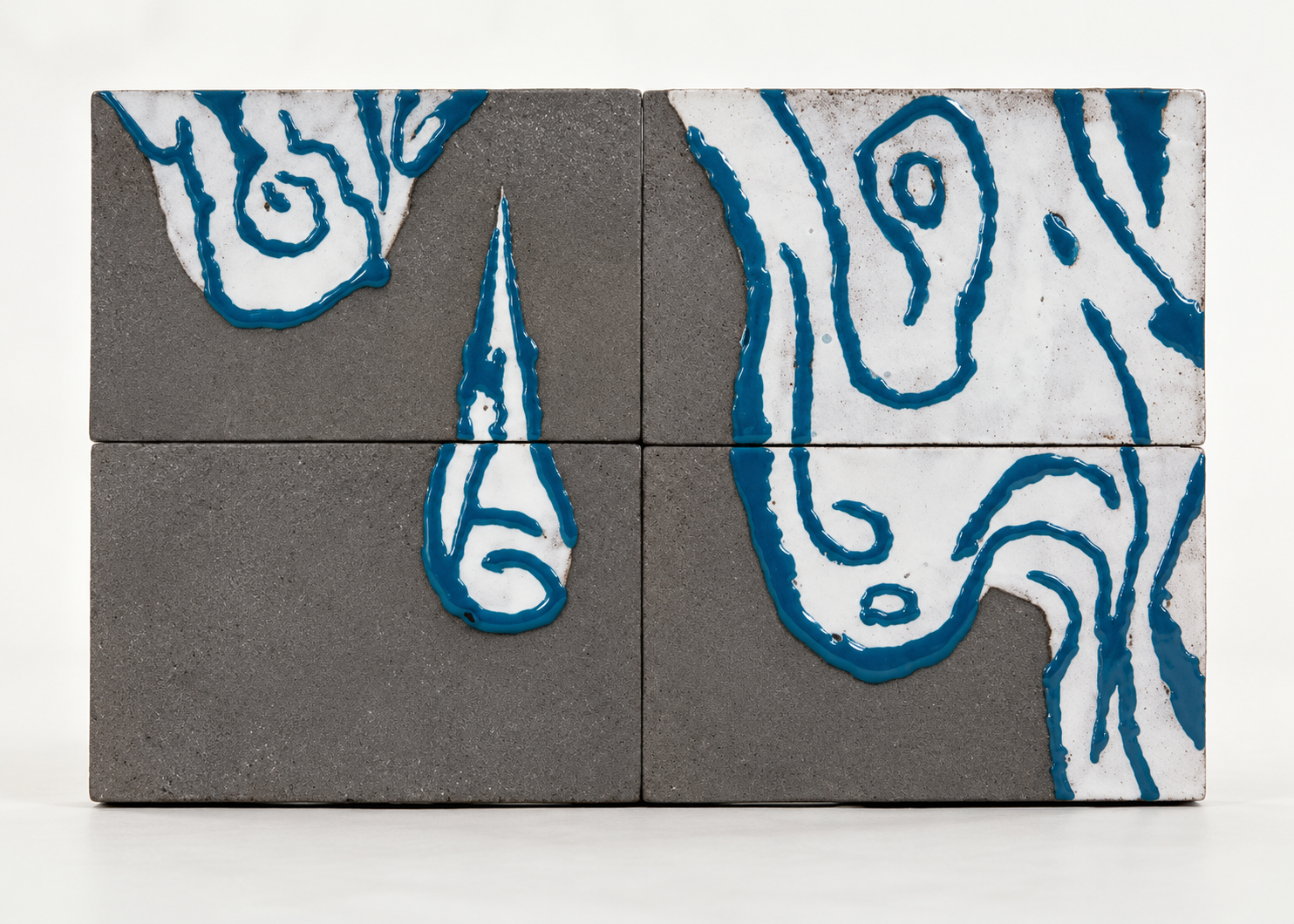
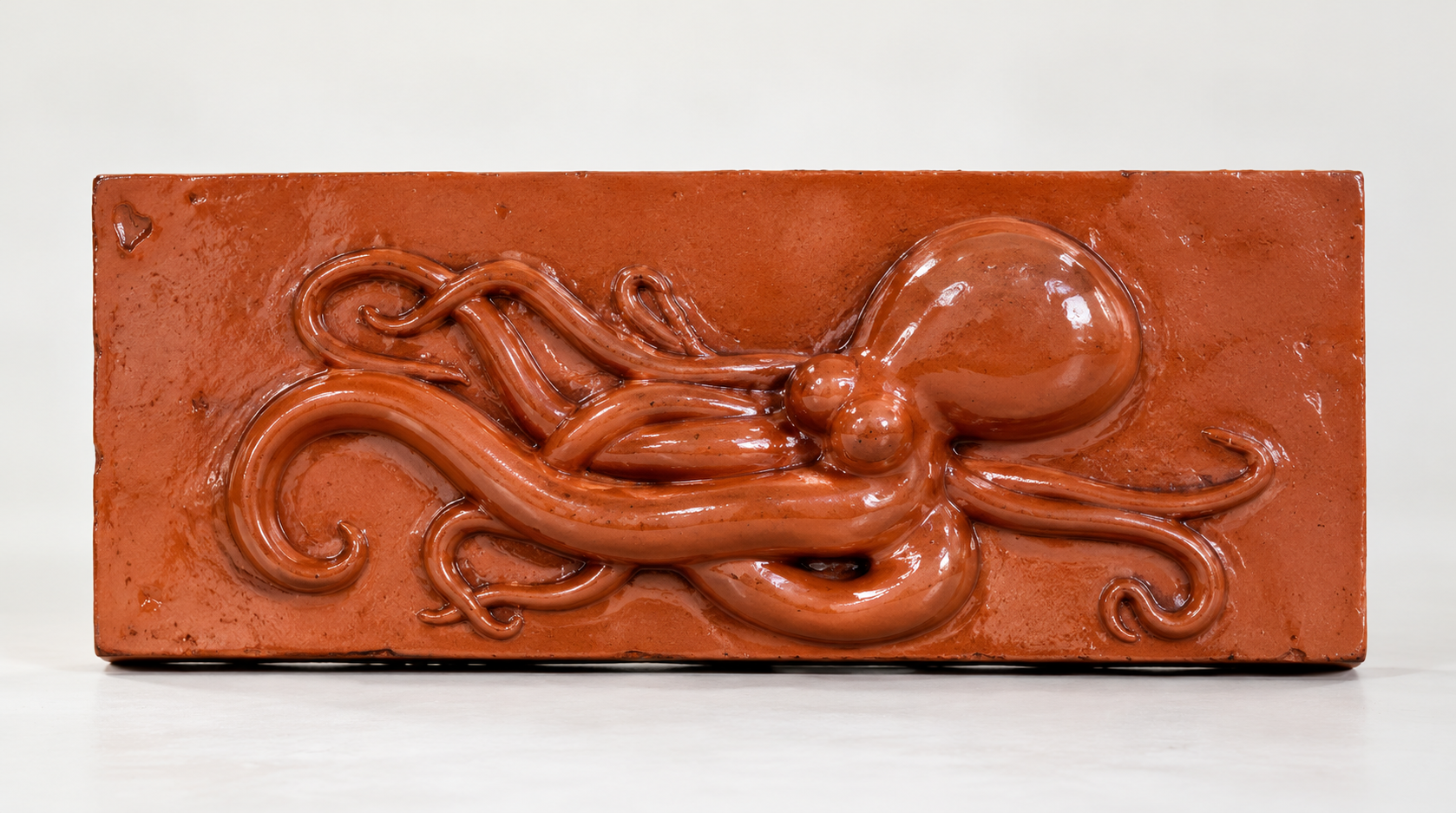
The proposal consists of a series of sculptures in glass, brick and ceramics, drawing on the visual language of Renaissance grottoes while reflecting the abundance of the market hall. Rendered in soft pastel colours and illuminated by subdued lighting, the sculptures would extend across the walls and ceiling of the passage, creating an immersive and contemplative environment.
The sea became the central theme, both for its historical role in international trade and, above all, for its extraordinary wealth of imagined treasures and mysterious creatures.
Handcrafted in collaboration with local artisans and specialists, the sculptures would offer a tactile contrast to the industrial character of the passage.
My intention was to invite visitors to cross a threshold into a parallel world, where nature and imagination meet, and where stillness and wonder coexist.
Quisque iaculis facilisis lacinia. Mauris euismod pellentesque tellus sit amet mollis.